Understanding the Impact of New Heating and Cooling Systems on Energy Use
The way heating, ventilation, and air conditioning (HVAC) systems are installed can have a big impact on how much energy your home uses. Having an efficient system means lower energy bills and a smaller carbon footprint. When you’re installing or upgrading your HVAC system, it’s important to consider several factors that affect energy efficiency. This guide will explain these factors in detail and help you make smarter choices for your home.
The Role of System Design
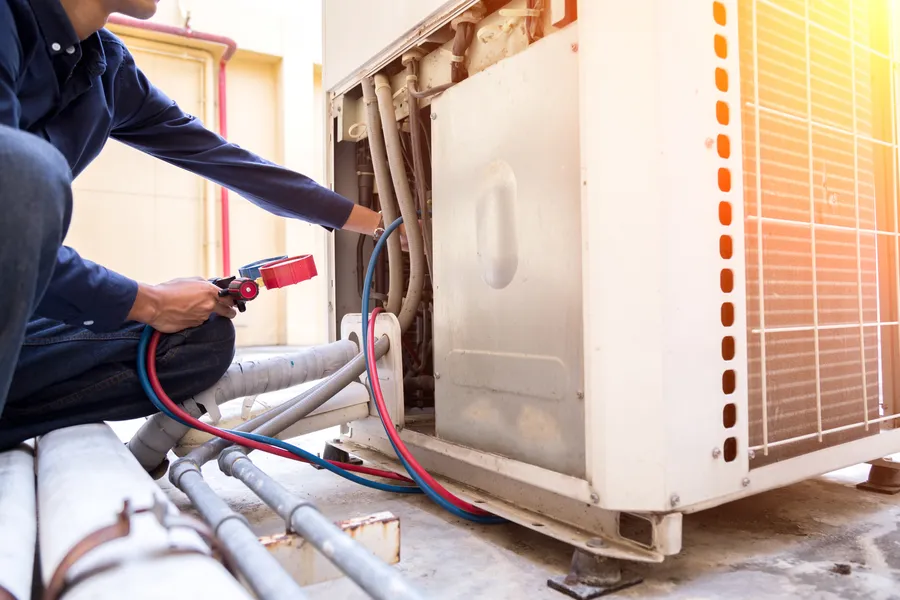
When considering HVAC installation, system design plays a critical role in energy consumption. Properly designed systems ensure even distribution of heated or cooled air throughout your home. Factors such as the size of the unit, ductwork layout, and airflow settings must be optimized to meet the specific needs of your space. Selecting an oversized or undersized unit can lead to inefficient energy use and increased costs.
Importance of Proper Sizing
An essential part of HVAC installation is choosing the right size system for your home. If the system is too large, it will cycle on and off more frequently, wasting energy. Conversely, a system that’s too small won’t adequately heat or cool your home, causing it to run longer than necessary. Accurate measurements and load calculations by a professional technician ensure your system operates efficiently and effectively.
Seal and Insulate Ductwork
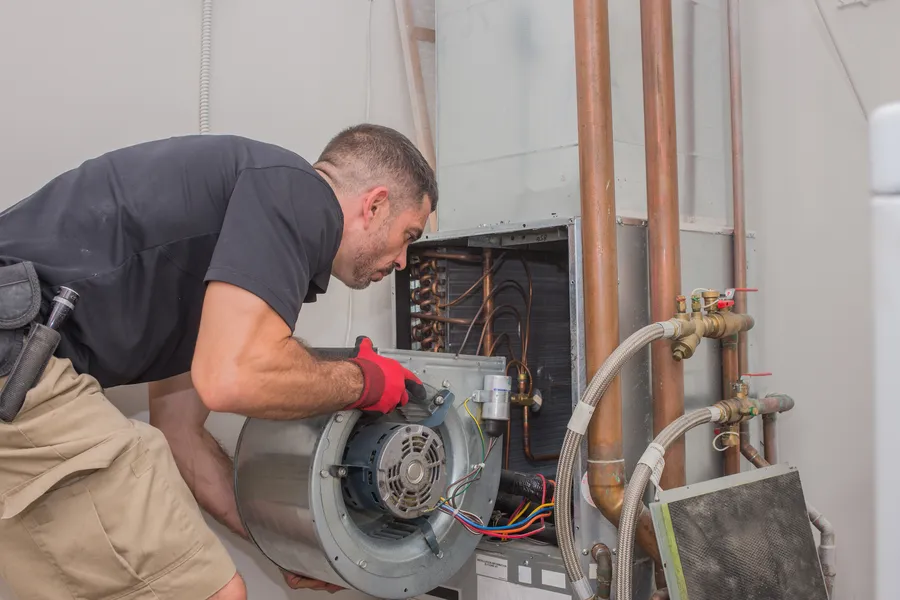
The effectiveness of any heating or cooling system heavily relies on well-sealed and insulated ductwork. Leaky ducts allow conditioned air to escape before reaching its intended destination, forcing your system to work harder. Professional sealing and insulation minimize these losses, maximizing efficiency and reducing energy bills.
Choosing Energy-Efficient Equipment
Investing in energy-efficient equipment significantly affects overall energy consumption. Look for units with high Seasonal Energy Efficiency Ratio (SEER) ratings for cooling and Annual Fuel Utilization Efficiency (AFUE) ratings for heating. These ratings indicate greater efficiency and reduced energy use. Additionally, ENERGY STAR-certified appliances offer verified performance standards.
Regular Maintenance Matters
Routine maintenance ensures your HVAC system operates efficiently over time. Regularly changing filters, checking refrigerant levels, and inspecting components prevent minor issues from becoming costly repairs. Scheduled maintenance not only extends the life of your system but also keeps energy consumption low by maintaining peak performance.
Smart Thermostats Enhance Control
Upgrading to smart thermostats provides better control over your home’s climate. These devices learn your schedule and adjust temperatures accordingly, optimizing energy use without sacrificing comfort. Remote access through smartphones allows adjustments even when you’re away from home, ensuring energy isn’t wasted unnecessarily.
Maximizing Your HVAC Investment
Combining professional installation with periodic assessments maximizes the return on your investment. Consulting experienced technicians helps you select the best system tailored to your home’s needs while identifying opportunities for further improvements. By taking these steps, you’ll enjoy enhanced comfort along with reduced operational costs.
Contact Us for Expert Guidance
For homeowners looking to reduce their energy consumption, proper HVAC installation is crucial. Our team at AC Quick Solutions LLC offers expert advice and services to optimize your home’s comfort while lowering energy use. Located in Cape Coral, FL, we specialize in providing customized solutions based on individual needs. Reach out at (239) 483-1163 to learn more about how our services can benefit your household.